

Revitalizing your residence is an exciting journey, and for many residents in London, upgrading siding is an essential part of that transformation. With the region's distinctive temperature fluctuations and changing weather conditions, the choice of material and placement quality can significantly impact your home's durability and energy-saving potential. Whether you're evaluating the timeless charm of James Hardie siding, the affordability of vinyl siding, or looking into contemporary engineered wood options like CanExel siding and LP Smart Side, understanding the benefits and disadvantages associated with each option is important.
As you start this undertaking, it is vital to consider not only visual upgrades but also functional issues such as energy savings and long-term maintenance. Correct installation and quality materials can increase your home's market value, resist the elements, and even avert underlying problems like mildew or decay. This guide will direct you through the key factors to think about in your siding upgrade journey, ensuring that your home is not just refreshed but also safeguarded against the challenges posed by the area's climate and environment.
Consequences of Freeze-Thaw Cycles on Exterior Cladding
Ontario's southwestern area is known for its brutal winters, noted by freeze-thaw fluctuations that can substantially impact home exteriors. These cycles occur when temperatures vary above freezing, causing moisture that has seeped into siding materials to freeze then thaw continuously. This cycle can lead to various forms of damage, including cracks, warping, and breakdown. Homeowners in London, Ontario should be especially vigilant during the winter months, as the freeze-thaw cycle can worsen existing issues in antique or poorly cared for siding.
The effects of freeze-thaw cycles on siding materials can vary widely. For example, conventional wood siding is more prone to moisture damage and swelling due to these changes, potentially leading to rot and pest infestations. In contrast, vinyl siding may expand and contract without as much threat, but it can still become brittle over time when exposed severe climatic variations. Homeowners must evaluate the particular climate conditions in London when choosing siding materials, ensuring they opt for options that can withstand the local freeze-thaw conditions.
To mitigate the impact of freeze-thaw cycles, proper installation techniques are critical. This includes making sure that the siding is adequately sealed and that a quality house wrap is installed to prevent water entry. Additionally, routine maintenance checks can help detect any signs of wear early, allowing homeowners to address potential problems before they increase. By Siding Replacement London Ontario and anticipating the consequences of freeze-thaw cycles, London residents can more successfully protect their homes and prolong the durability of their siding.
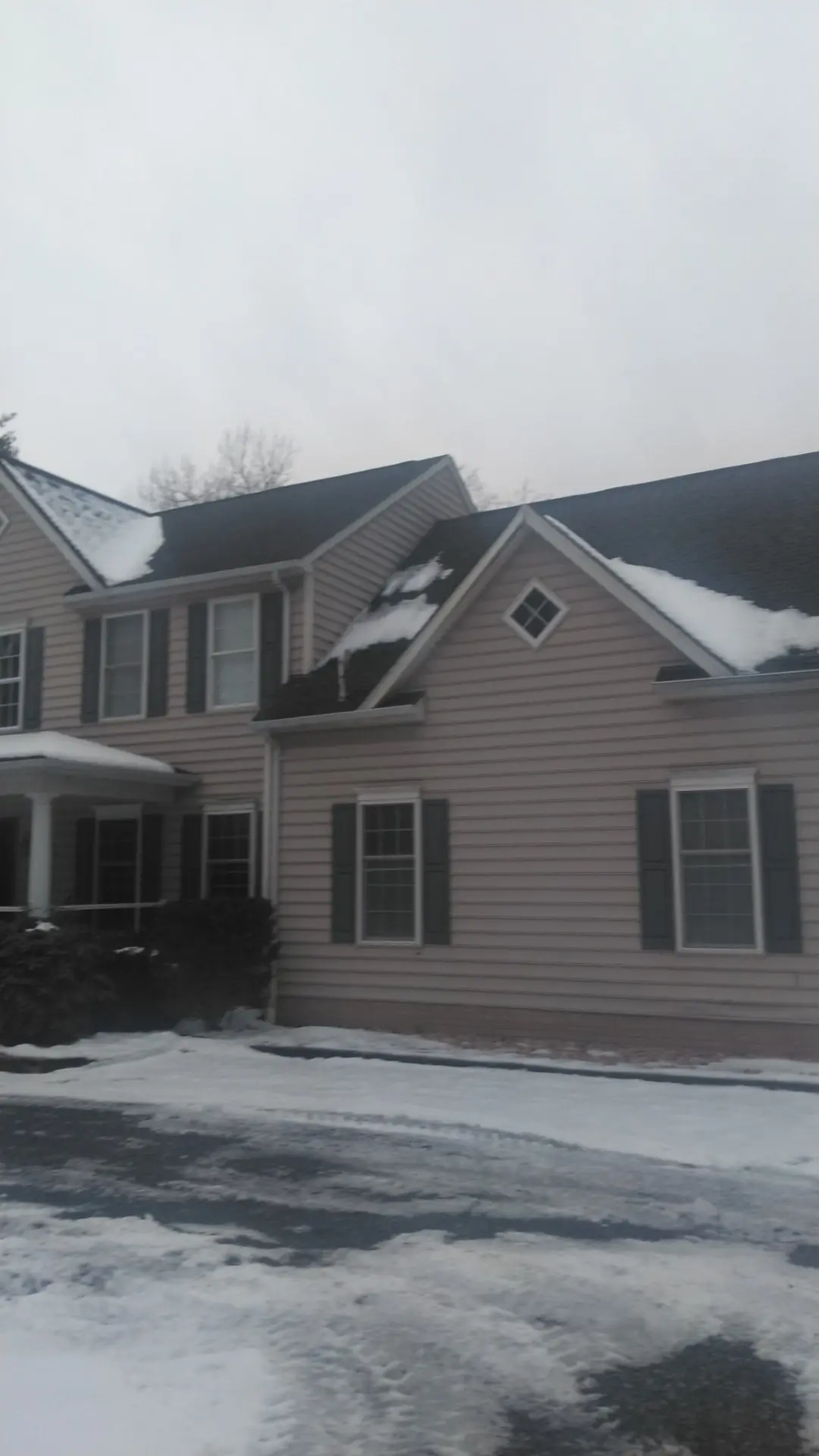
Determining the Best Siding Material
While deciding on the best siding material for your home in London, Ontario, it's crucial to take into account local climate conditions. Southwestern Ontario's freeze-thaw cycles can considerably influence the longevity of siding. Materials that can tolerate temperature fluctuations and prevent moisture infiltration are vital for maintaining the integrity of your home's exterior. Both vinyl and James Hardie fiber cement siding are well-liked choices, but each offers distinct advantages and disadvantages in terms of strength, maintenance, and visual attractiveness.
Vinyl siding is a cost-effective option that comes in various colors and styles, allowing it easy to match your home's design. However, homeowners should be cognizant that not all vinyl siding is created equal. Top-tier vinyl products can better resist warping and fading caused by extreme weather. On the flip side, James Hardie fiber cement siding is famous for its exceptional resistance to fire and pests, as well as its enduring performance in severe weather conditions. While it may come with a higher initial cost, its durability can prove it a worthwhile investment.
At the end of the day, the most suitable choice is determined by your specific needs, budget, and aesthetic preferences. Regardless of whether you prioritize energy efficiency, low maintenance, or a classic aesthetic, it is beneficial to explore all available options. Collaborating with local siding contractors can provide helpful insights tailored to your home's needs and ensure you choose the most suitable material for your siding renovation project in London.
Price and Worth of Siding Substitution
The cost of siding replacement in London, Ontario, can fluctuate significantly according to the selected materials, the size of the property, and the difficulty of the installation. On average, residents can expect pay anywhere from twenty to 40 for each square foot. Factors such as the extraction of old siding, any essential fixes to the foundation framework, and the kind of replacement siding selected—whether plastic, fiber cement, or manufactured wood—will impact the final amount. It’s essential to secure various assessments from local professionals to make sure you get a reasonable price.
In addition to the primary outlay, the benefit of new siding extends well beyond looks. Premium material improves energy performance by providing enhanced insulation, which can result in lower heating costs and air conditioning expenses over time. Moreover, new siding can significantly boost the visual appeal, making a positive immediate attraction on potential purchasers. In a tight property market like Ontario, revamped siding can raise a house’s selling price, often experiencing returns that go beyond the initial costs of setup.
Lastly, considering the future advantages of proper maintenance and repairs, the replacement of siding is an allocation in the durability and protection of your house. With the appropriate items and setup, homeowners not only protect their homes from severe weather but also reduce the risk of underlying problems such as fungus, decay, and pest infiltration. The immediate financial outlay can result in significant returns and value over the duration of the product, making it a prudent option for residents looking to restore and defend their homes.